
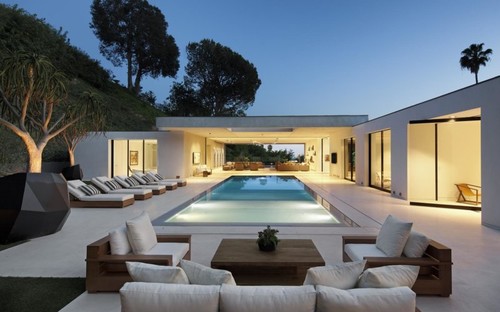
Thoughtful Outdoor Environments Designed Around the Way You Live
Every property presents a different opportunity. The right landscape design should respond to the architecture of the home, the character of the site, the Southern California climate, and the way you want to use your outdoor space.
The portfolio section will continue to grow as new projects are completed. In the meantime, this page introduces the types of landscapes, gardens, and outdoor environments Alan Dunn Landscape Design can help create.
Explore Landscape Design Possibilities
Modern Coastal Landscapes
Create a relaxed, refined outdoor environment inspired by Southern California’s coastal setting. Modern coastal landscapes may combine pale stone, clean architectural lines, natural textures, ornamental grasses, olive trees, and drought-tolerant planting.
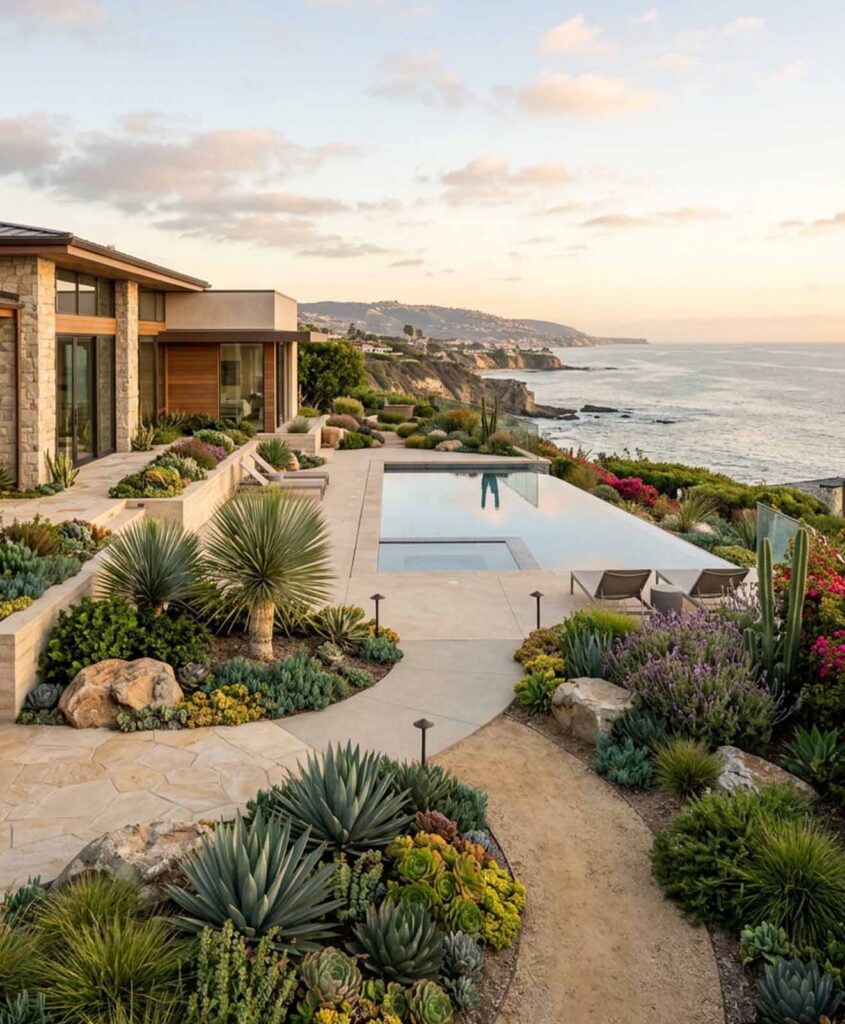
These landscapes are designed to feel open, comfortable, and connected to the surrounding environment.
Design elements may include:
- Natural stone and concrete paving
- Coastal and water-wise planting
- Minimalist outdoor seating
- Sculptural trees and ornamental grasses
- Soft landscape lighting
- Clean transitions between the home and garden
Mediterranean Gardens
Mediterranean landscape design brings together warm materials, timeless planting, and inviting outdoor spaces. This style works especially well with homes featuring stucco, tile, stone, or Spanish and Mediterranean architectural details.
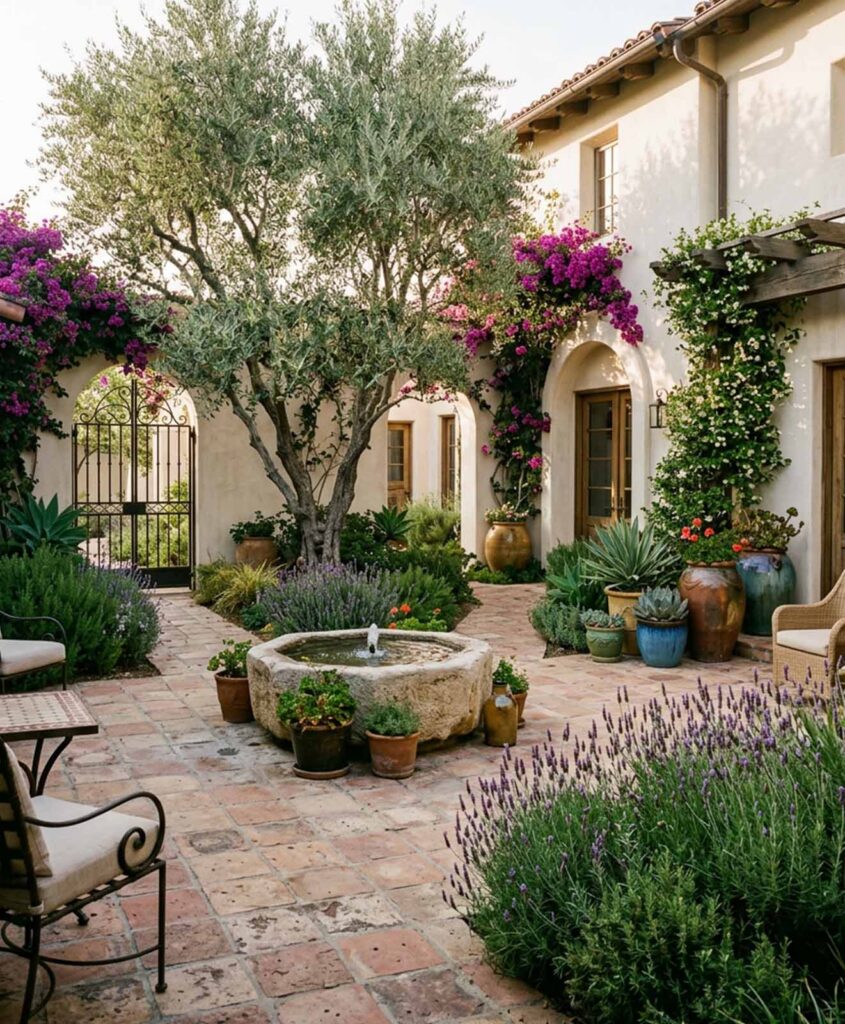
A Mediterranean garden may include terracotta, olive trees, lavender, rosemary, bougainvillea, fountains, gravel paths, and shaded courtyards.
Design elements may include:
- Terracotta or natural stone paving
- Olive and citrus trees
- Lavender, rosemary, and Mediterranean herbs
- Courtyards and garden rooms
- Decorative fountains
- Stucco walls and architectural planting
Drought-Tolerant and California Native Landscapes
Water-wise landscape design can be beautiful, expressive, and full of texture. By selecting plants that are appropriate for the Southern California climate, a landscape can reduce water demands while maintaining strong visual appeal.
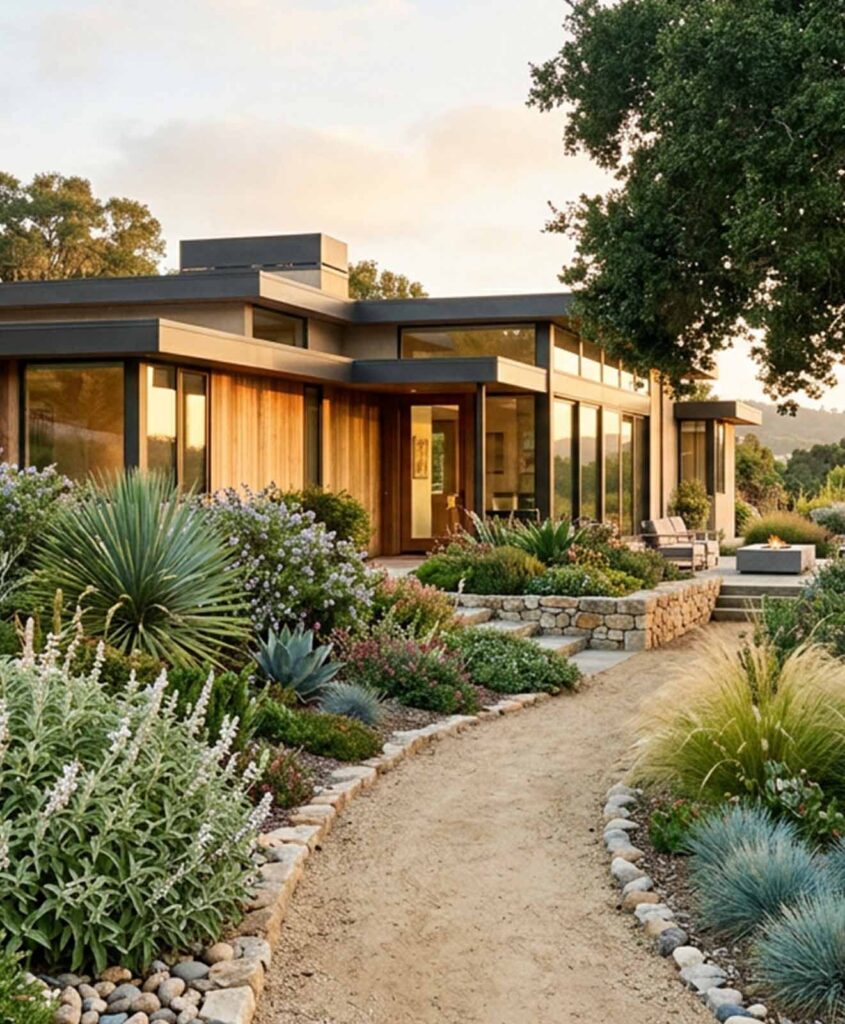
Drought-tolerant gardens may include California native plants, ornamental grasses, agave, sages, manzanita, yucca, and other species selected for the conditions of the property.
Design elements may include:
- California native plants
- Low-water trees, shrubs, and perennials
- Efficient irrigation planning
- Mulch and soil improvements
- Reduced-lawn planting concepts
- Natural stone and decomposed granite
- Low-maintenance garden areas
Contemporary Outdoor Living Spaces
A well-designed backyard can become a natural extension of the home. Outdoor living spaces are planned around the activities that matter most, whether that means hosting dinner, relaxing beside a fire, enjoying a quiet morning, or spending time with family.
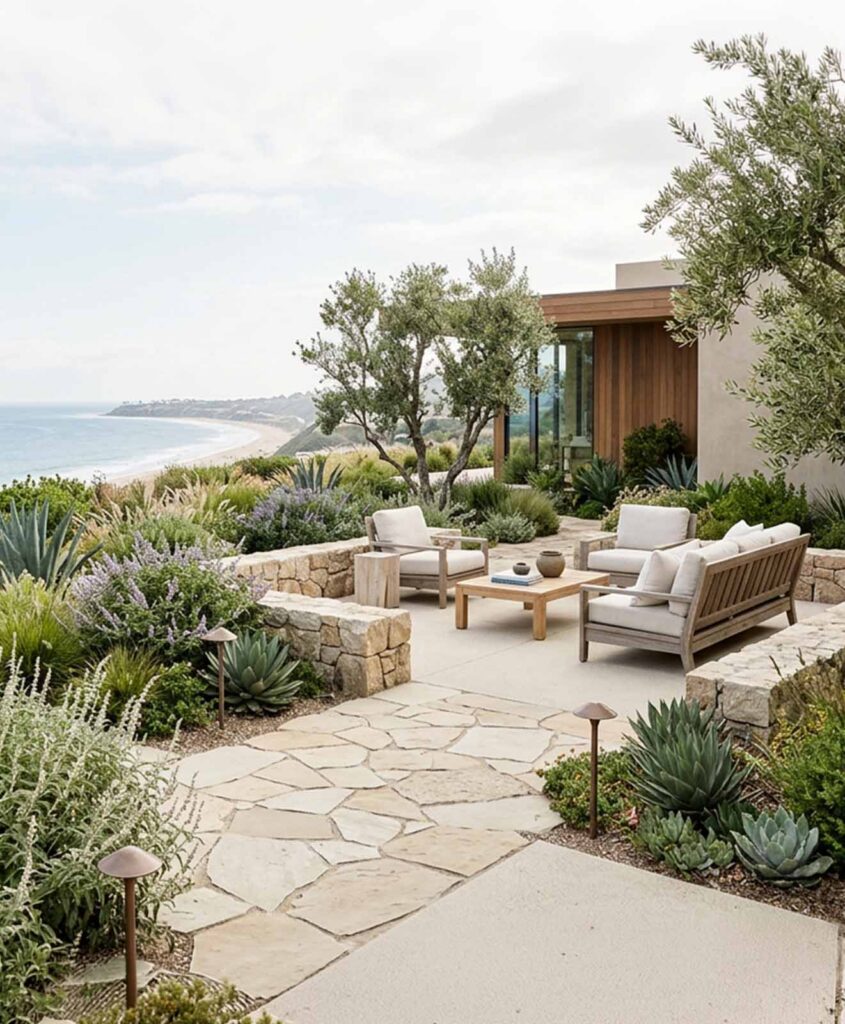
These spaces can combine hardscape construction, garden installation, shade, lighting, seating, and carefully placed planting.
Design elements may include:
- Outdoor dining areas
- Lounge and seating areas
- Patios and terraces
- Fire features
- Shade structures
- Outdoor kitchens
- Integrated garden planting
- Landscape lighting
Custom Courtyards and Garden Rooms
Courtyards and garden rooms create a sense of enclosure, privacy, and discovery. They can make a large property feel more intimate or transform an underused area into a destination within the landscape.
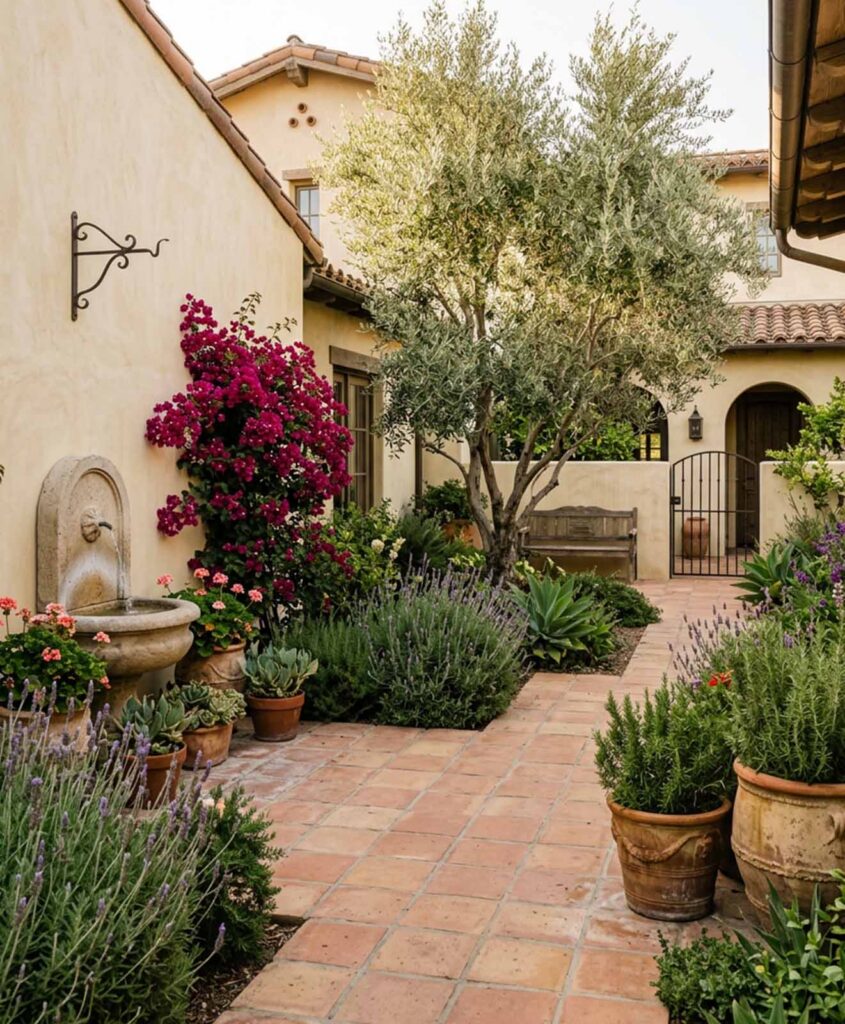
A garden room may be designed for entertaining, dining, meditation, reading, or simply enjoying the surrounding planting.
Design elements may include:
- Enclosed patios
- Garden walls
- Stone pathways
- Seating areas
- Water features
- Privacy planting
- Shade trees and structures
- Decorative containers and focal points
Poolside Landscape Design
Pool areas should feel integrated with the property rather than added as an afterthought. Thoughtful poolscape design connects the pool, patio, planting, outdoor seating, and home into one cohesive environment.
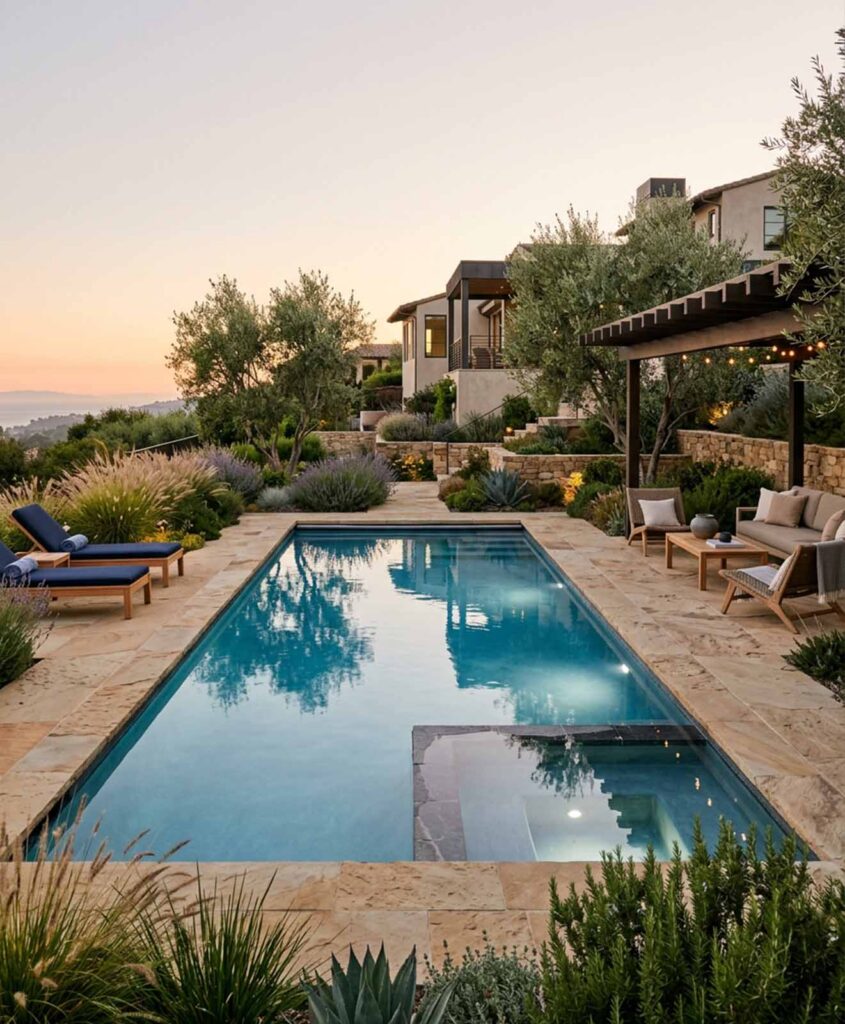
Plant selection and materials should also be considered for safety, maintenance, privacy, drainage, and the surrounding climate.
Design elements may include:
- Poolside planting
- Natural stone or paver decking
- Outdoor lounges
- Privacy screening
- Shade structures
- Fire and water features
- Low-maintenance planting
- Soft landscape lighting
Complete Landscape Transformations
Some properties need more than a planting update or a new patio. A complete landscape transformation may involve rethinking the layout, improving circulation, replacing outdated materials, creating new outdoor rooms, and integrating gardens with hardscape construction.
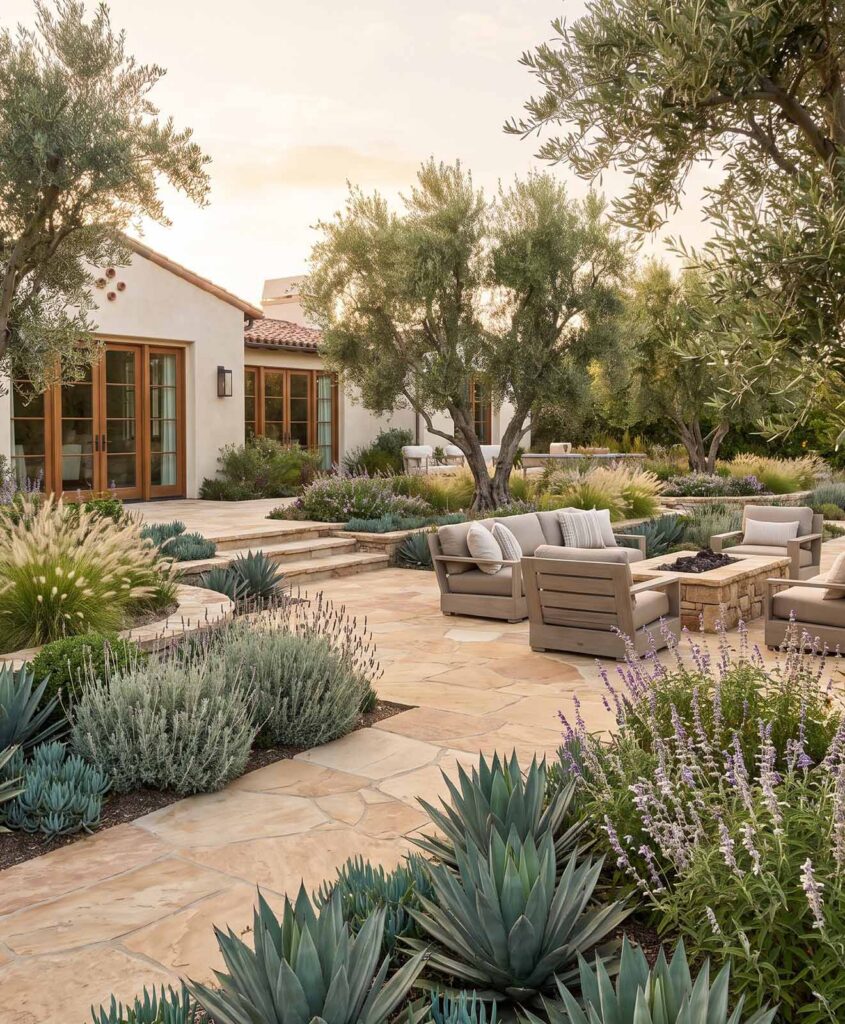
The project may begin with an existing yard that feels disconnected, underused, or out of date. Through careful planning, the property can be reshaped into a more functional and visually cohesive outdoor environment.
A complete transformation may include:
- Landscape design and site planning
- Garden installation
- Hardscape construction
- Outdoor living areas
- Privacy improvements
- Drought-tolerant planting
- Pathways and retaining walls
- Landscape lighting
- Poolside improvements
- Front and backyard updates
Our Portfolio
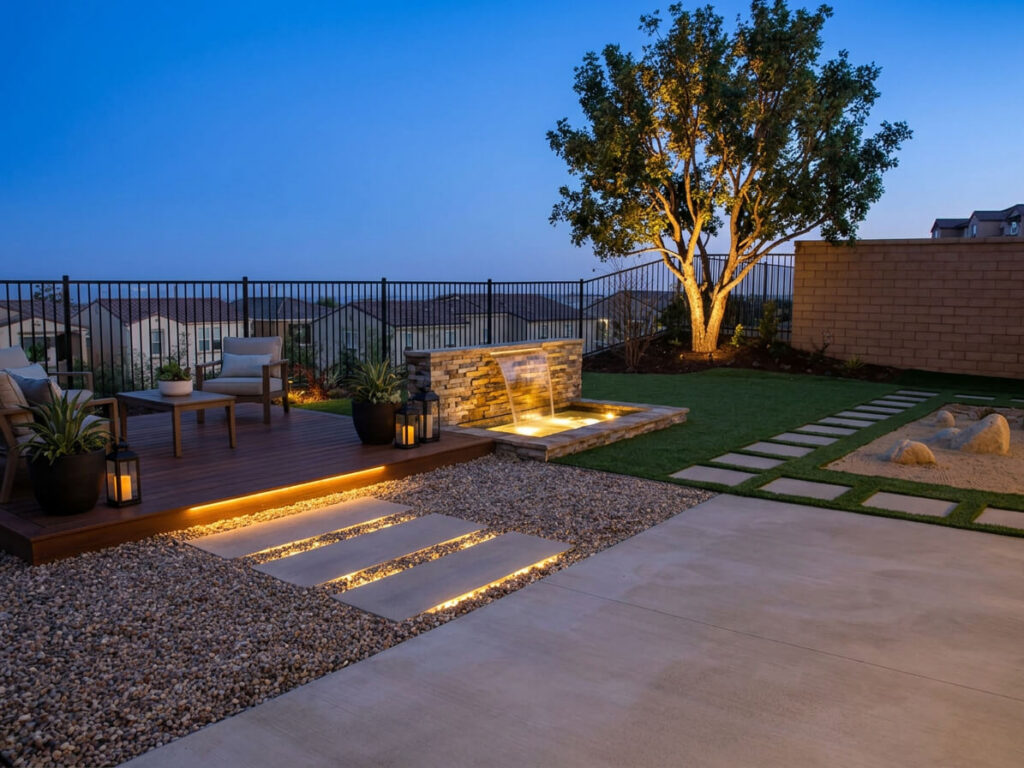
Contemporary Azusa Backyard
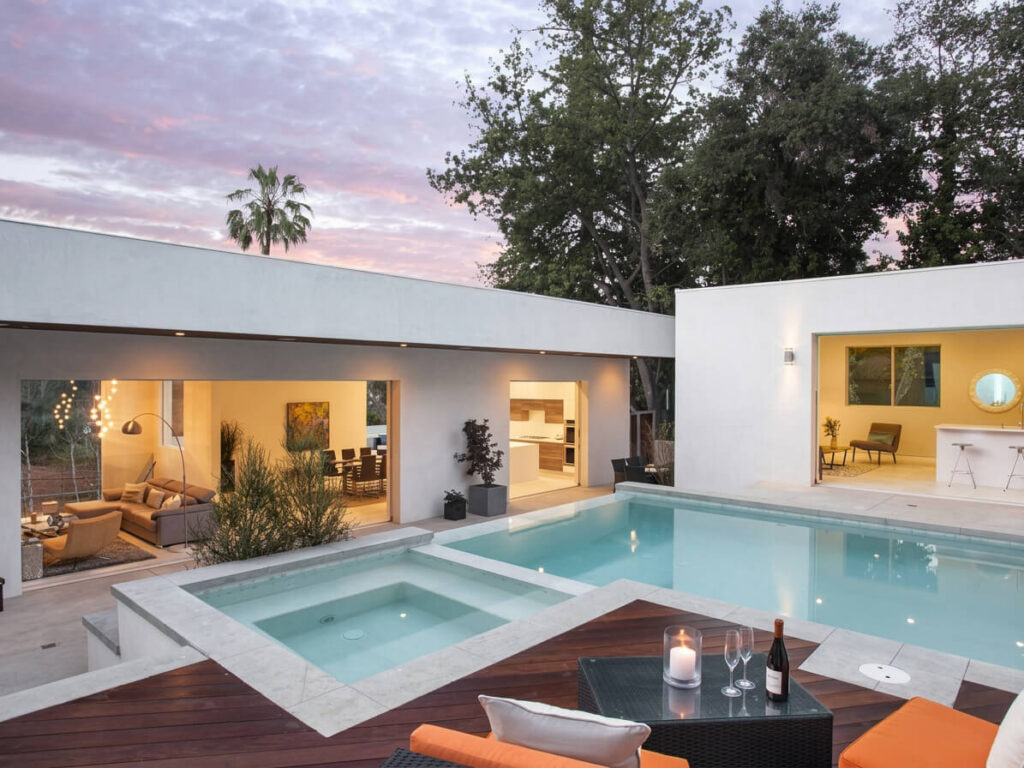
Modern Sherman Oaks Backyard
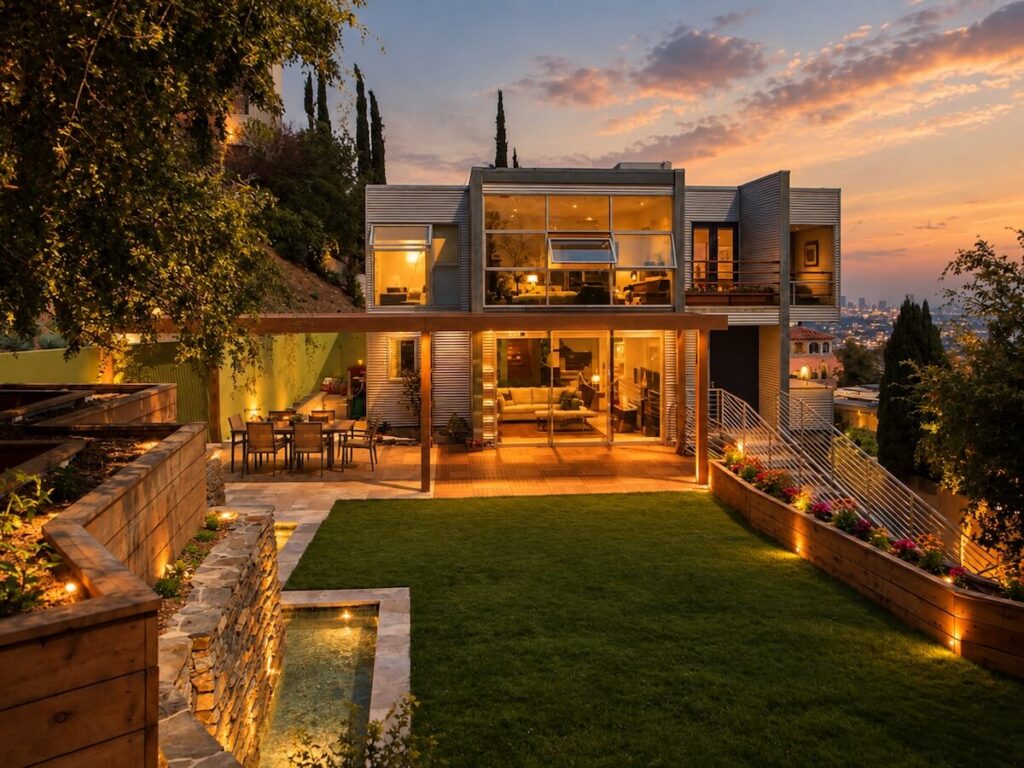
Los Feliz Modern Front Yard & Backyard
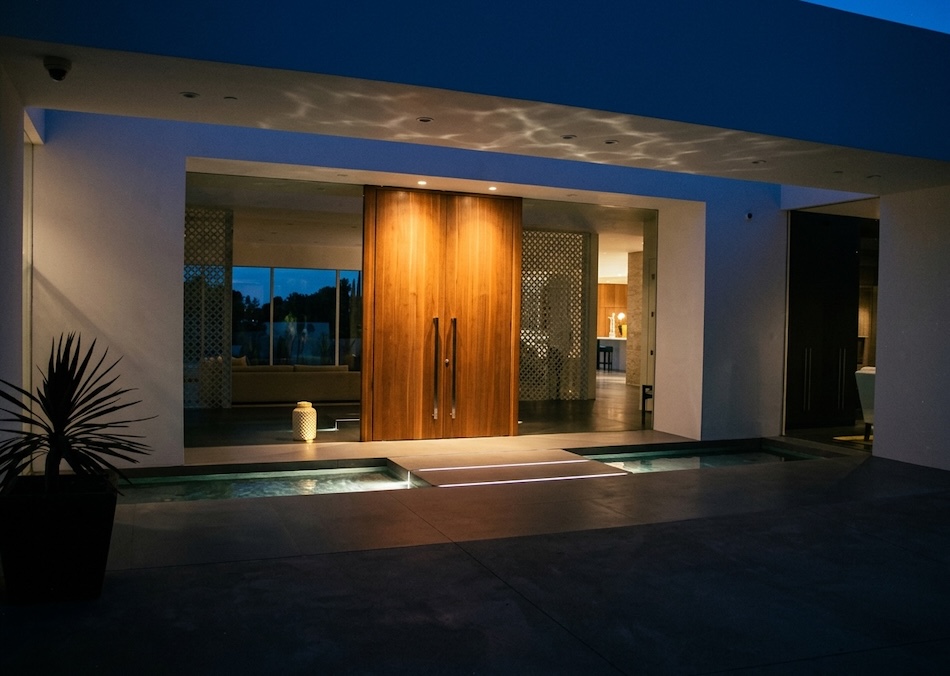
Beverly Hills Residence
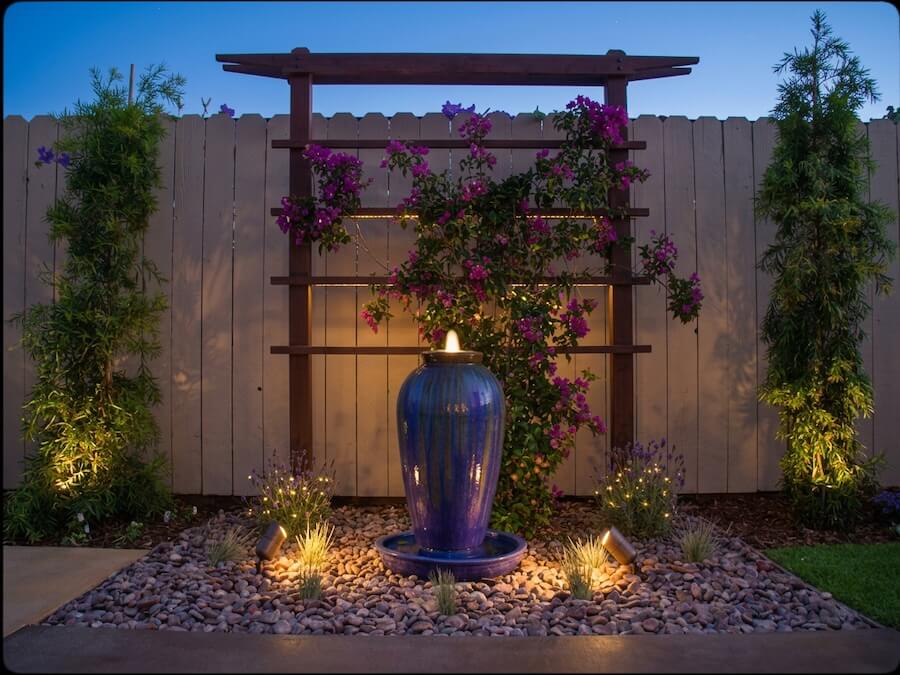
Redondo Beach Residence
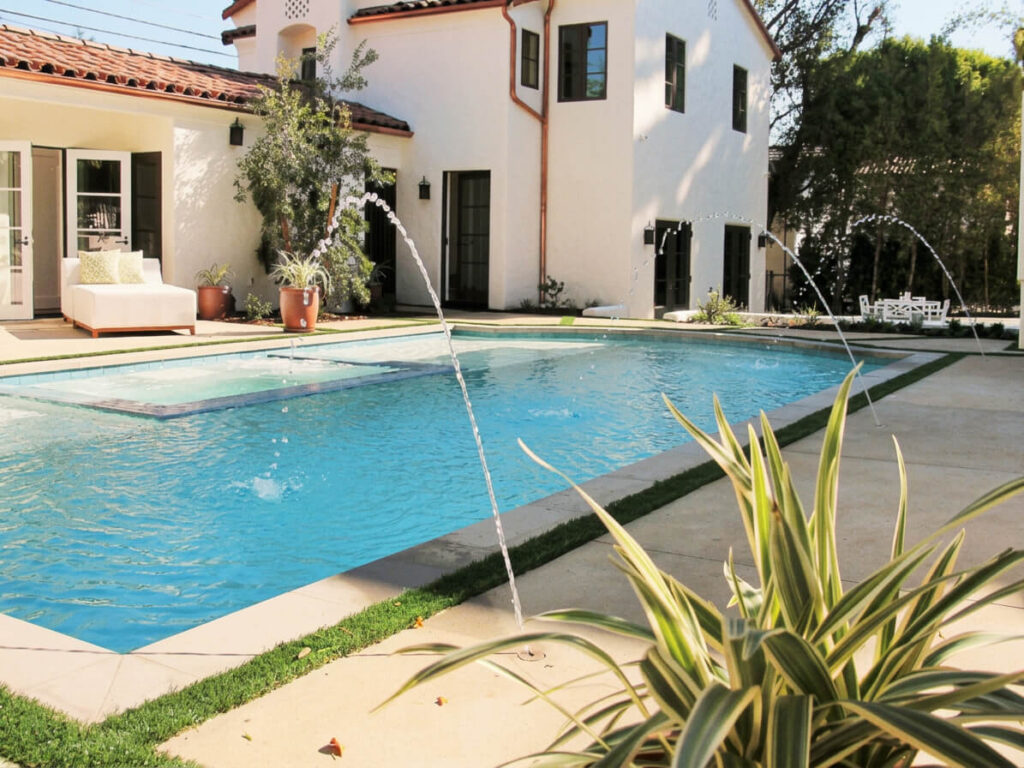
Arden Mediterranean Backyard Living
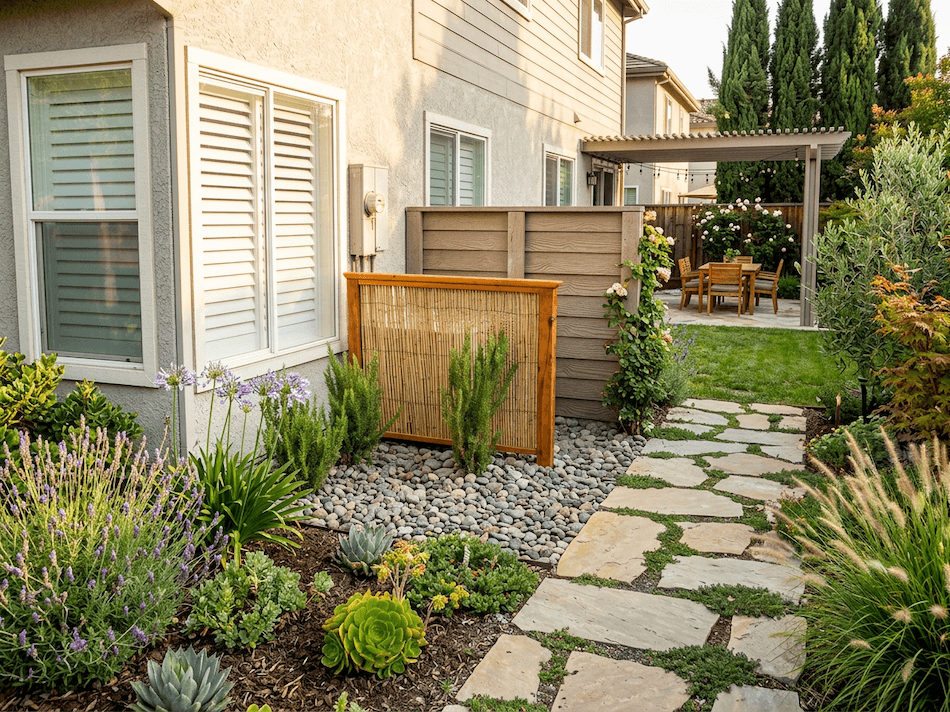
San Dimas Residence
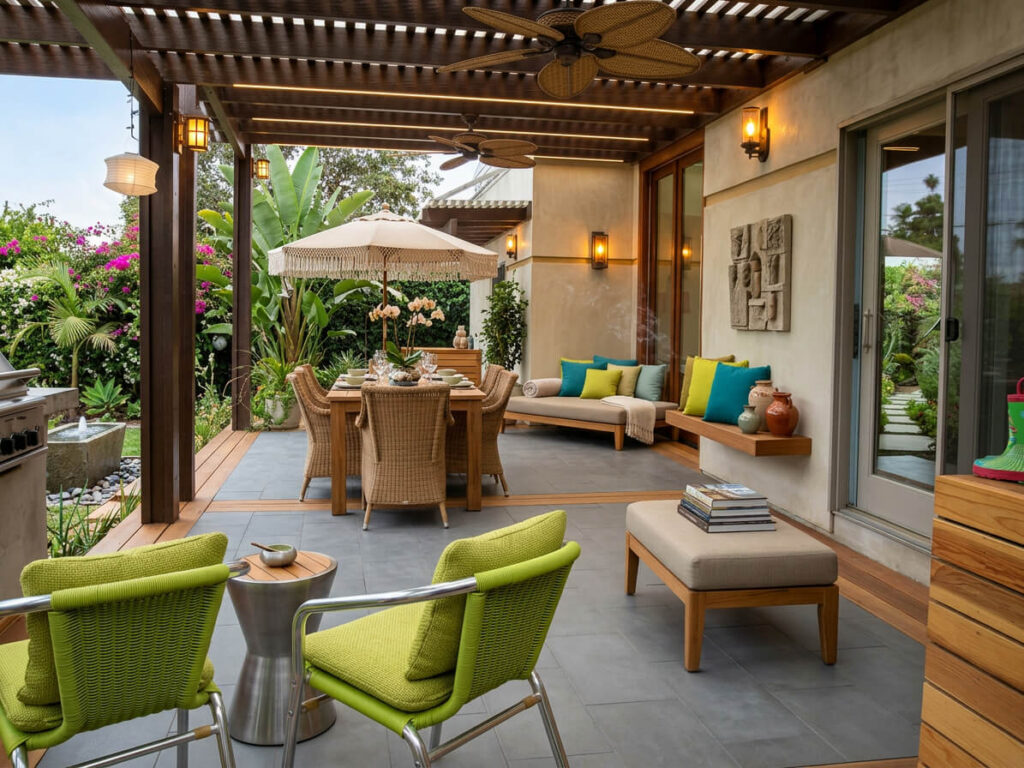
Resort Style Retreat
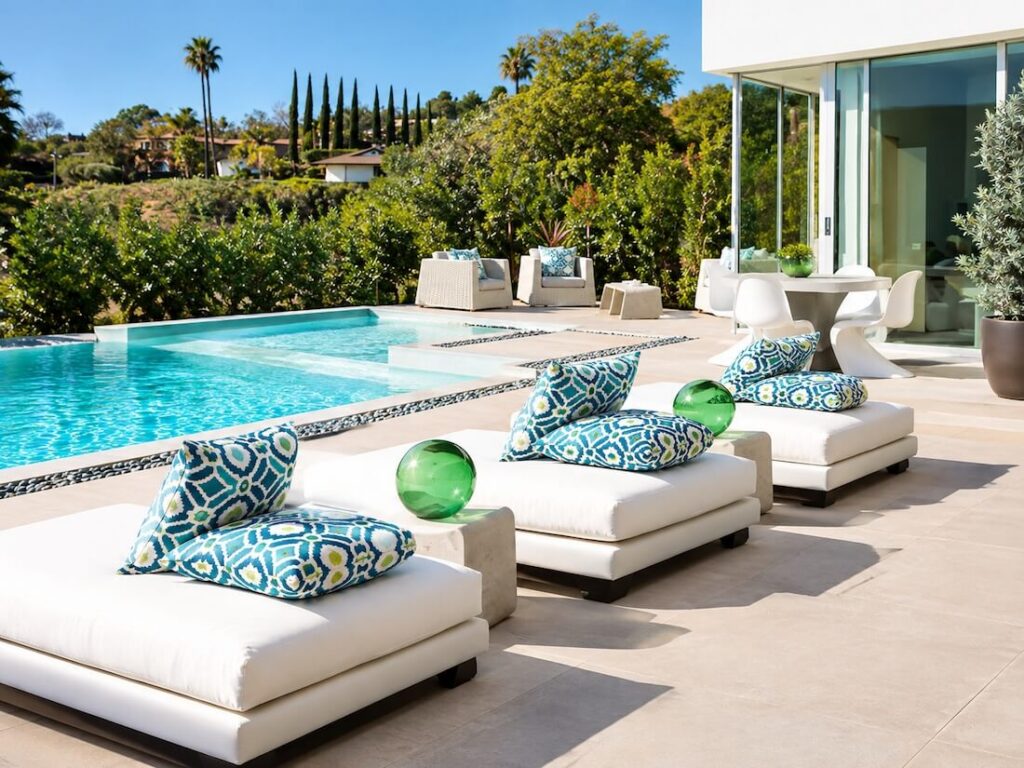
Modern Outdoor Living
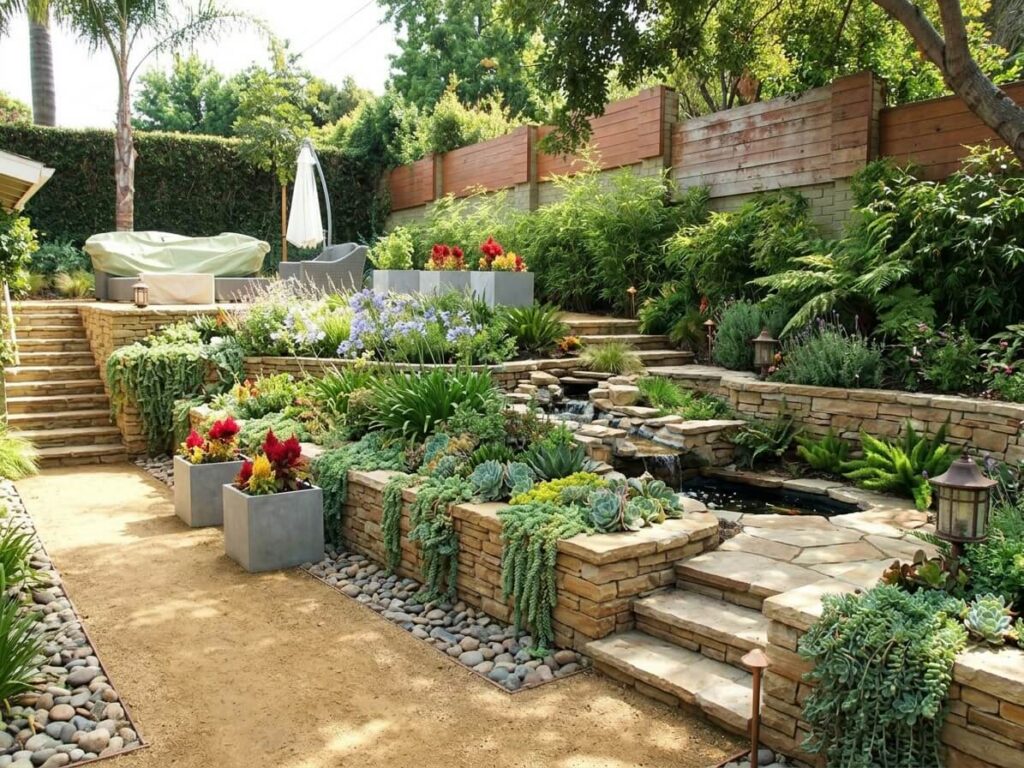
Hillside Garden Oasis
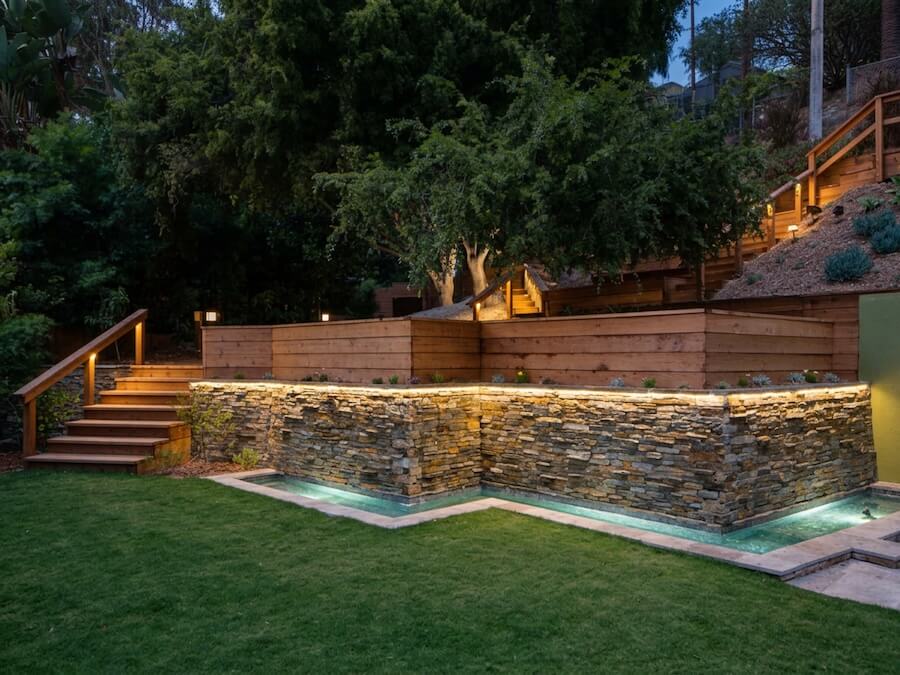
Family Backyard Retreat
From Inspiration to a Personalized Design
The images and styles shown throughout this section are intended to communicate the possibilities available for your property. Every project is developed individually, based on the site, architecture, preferences, budget, and intended use of the space.
A landscape does not need to copy a particular style exactly. Elements from different design approaches can be combined to create an outdoor environment that feels personal and appropriate for the home.
The Design Process
- Discuss your vision
We learn about your goals, preferences, lifestyle, and priorities for the property. - Study the site
We consider the architecture, existing landscape, sunlight, grading, drainage, climate, and available space. - Develop the design direction
Materials, planting, layout, circulation, and outdoor living features are brought together into a cohesive plan. - Refine the details
The design is adjusted to reflect your preferences and the practical needs of the property. - Move toward installation
Once the direction is established, the garden and hardscape elements can be coordinated for implementation.
Begin Planning Your Outdoor Space
Whether you are drawn to a modern coastal garden, a Mediterranean courtyard, a drought-tolerant landscape, or a complete outdoor living environment, Alan Dunn Landscape Design can help you explore the possibilities.